
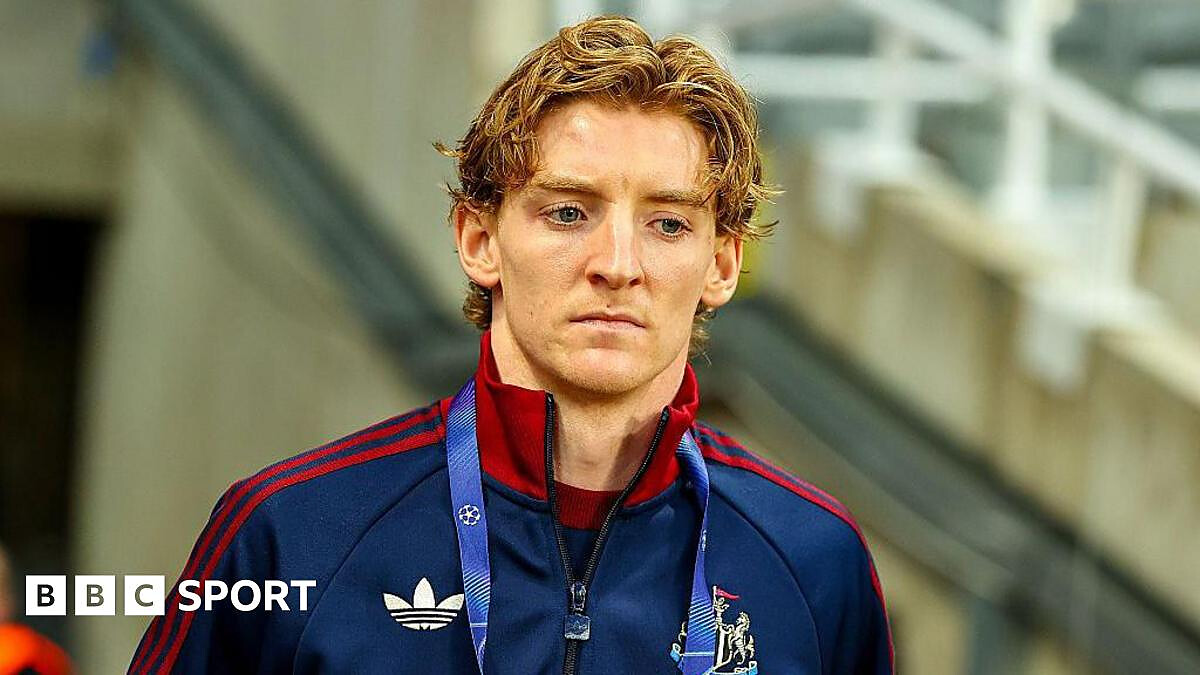
The latest headline shaping the picture in the broader football calendar is simple enough on the surface: Howe defends Gordon after Shearer and Keane criticism. Even when a report looks brief, stories like this can quickly influence how readers judge lineup certainty, momentum, and short-term decision making. The confirmed information attached to this item is relatively concise, so the safest reading is to stay close to the stated facts and then add competitive context around them.
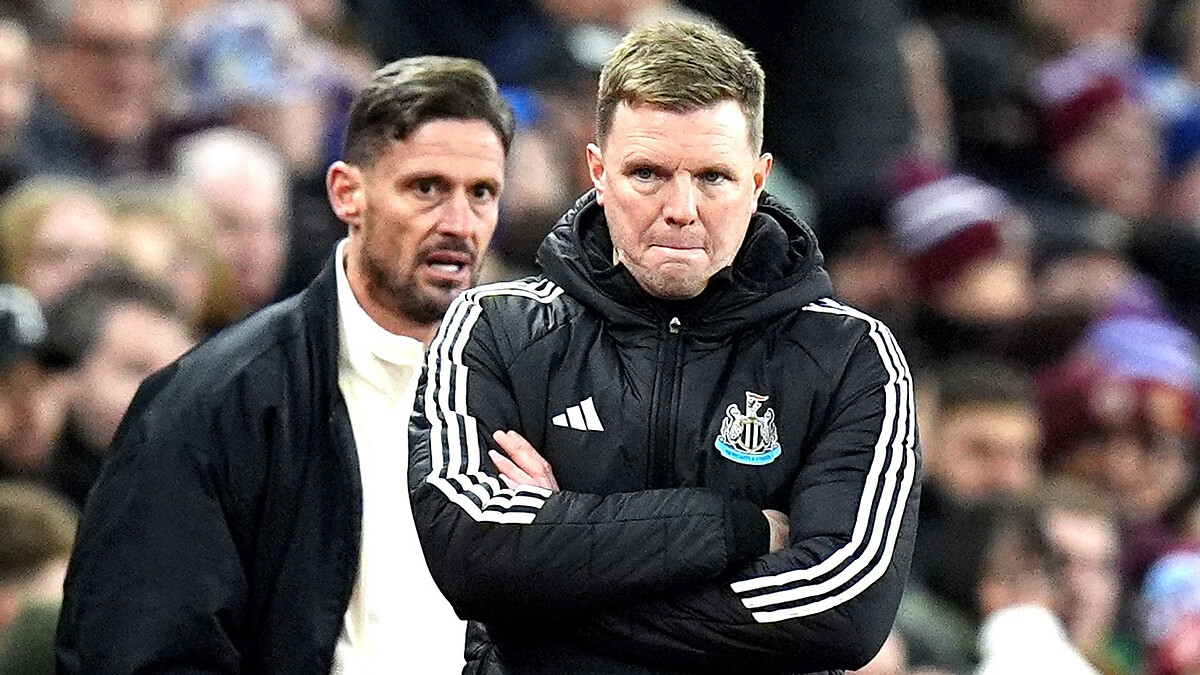
Head coach Eddie Howe says it was his decision not to start Anthony Gordon against Barcelona after the unwell Newcastle United forward was criticised by pundits. Those points may sound straightforward on their own, but together they define what is actually confirmed and what still belongs in the wait-and-see category for Newcastle United, Barcelona, and United.
Coaching news matters because it often points to deeper changes in structure, pressing intensity, substitution patterns, and the level of risk a side is willing to take. Within the broader football calendar, even one managerial decision can alter how Newcastle United, Barcelona, and United are assessed over the next sequence of fixtures, especially when style and discipline are already under review. For that reason, the headline is only the opening layer; the bigger question is what it says about identity, priorities, and execution from this point forward.
For SoccerSeer readers, the practical angle is clear: once this update is combined with current form, fixture pressure, and opponent quality, it helps narrow the gap between a loose guess and a disciplined pre-match read. That does not mean one report should overpower every other signal, but it does mean the story belongs in the model alongside availability, role security, recent performance, and tactical fit. The names at the center of that context are Newcastle United, Barcelona, and United, because they anchor the discussion to real teams and real competition rather than generic noise.
The next step is to watch for official confirmation, coach comments, lineup decisions, and any late shift in confidence around the situation described here. If those signals move in the same direction as today's update, the story becomes much more actionable for preview work; if they diverge, readers should treat the headline with more caution. Either way, this is exactly the kind of item that gains meaning when it is revisited close to kickoff or tip-off, not filed away as a one-line news alert. Managerial stories usually travel further than the immediate announcement because they affect how every later team-news update is interpreted.