

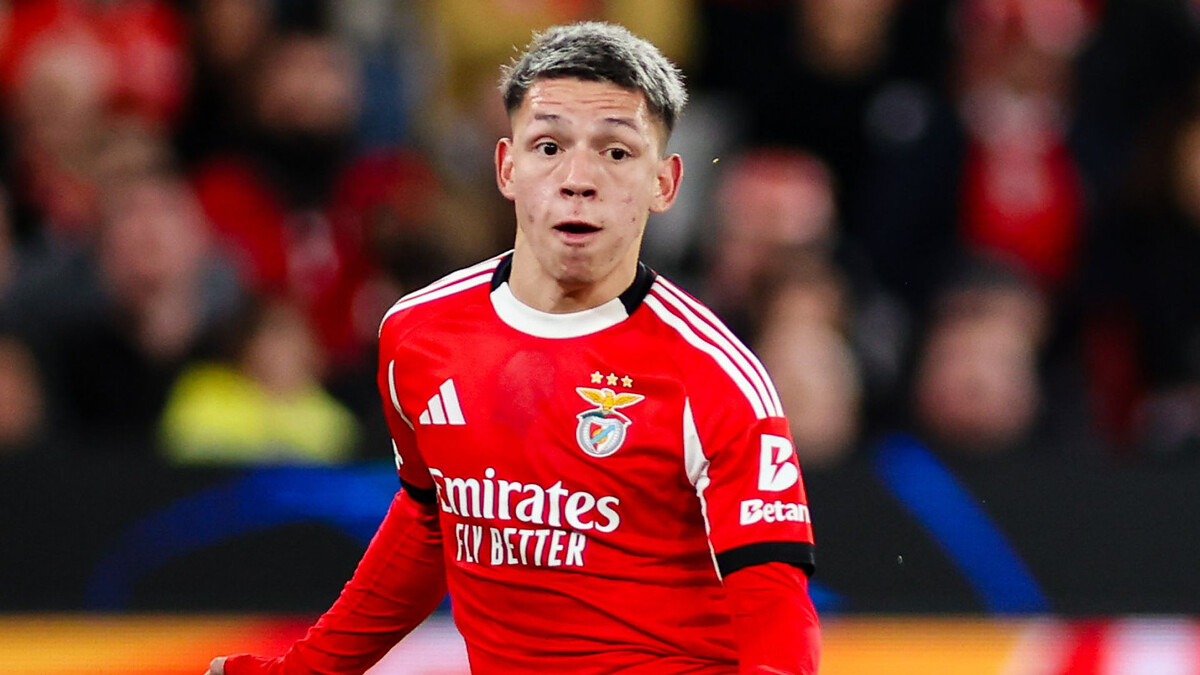
The latest headline shaping the picture in the broader football calendar is simple enough on the surface: Prestianni could miss World Cup openers after discrimination ban extended globally. Even when a report looks brief, stories like this can quickly influence how readers judge lineup certainty, momentum, and short-term decision making.
The confirmed information attached to this item is relatively concise, so the safest reading is to stay close to the stated facts and then add competitive context around them. Gianluca Prestianni's six-match ban for discriminatory conduct towards Vinicius Junior has been extended worldwide - meaning the Argentina winger could miss his country's first two World.
Those points may sound straightforward on their own, but together they define what is actually confirmed and what still belongs in the wait-and-see category for Junior. Disciplinary stories matter because they can remove a specialist role, force reshuffles, and change the emotional tone around the next competitive spot in the calendar.
In the broader football calendar, the knock-on effect is often larger than the headline suggests, because preparation, in-game management, and matchup planning all change once a sanction is confirmed. That makes this update important not just as a punishment note, but as a practical signal for how the squad may need to adapt.
For SoccerSeer readers, the practical angle is clear: once this update is combined with current form, fixture pressure, and opponent quality, it helps narrow the gap between a loose guess and a disciplined pre-match read. That does not mean one report should overpower every other signal, but it does mean the story belongs in the model alongside availability, role security, recent performance, and tactical fit.
The names at the center of that context are Junior, because they anchor the discussion to real teams and real competition rather than generic noise. The next step is to watch for official confirmation, coach comments, lineup decisions, and any late shift in confidence around the situation described here.
If those signals move in the same direction as today's update, the story becomes much more actionable for preview work; if they diverge, readers should treat the headline with more caution. Either way, this is exactly the kind of item that gains meaning when it is revisited close to kickoff or tip-off, not filed away as a one-line news alert.
The secondary effect is often tactical rather than emotional, which is why the next round of selection decisions deserves close attention.